
Most advice about ranking on Google Maps is written for the US or the UK, and Australian businesses following it literally miss the local half of the job. The Google Business Profile mechanics are the same worldwide — but the directories customers cross-check, the review sites Aussies actually read, and even the distances “near me” has to cover are different here. This starter guide to Google Maps ranking in Australia gives a business starting from zero the right sequence: the universal foundations in the right order, with the Australian specifics filled in instead of skipped.
The short answer
Google Maps ranking in Australia rests on the same three foundations as everywhere — a claimed, verified, complete profile with the right primary category, a steady flow of answered reviews, and name, address and phone identical everywhere — plus the Australian layer: details that agree across True Local, Yellow Pages and ProductReview, where Aussie customers cross-check.
The foundations (briefly, because they are the same everywhere)
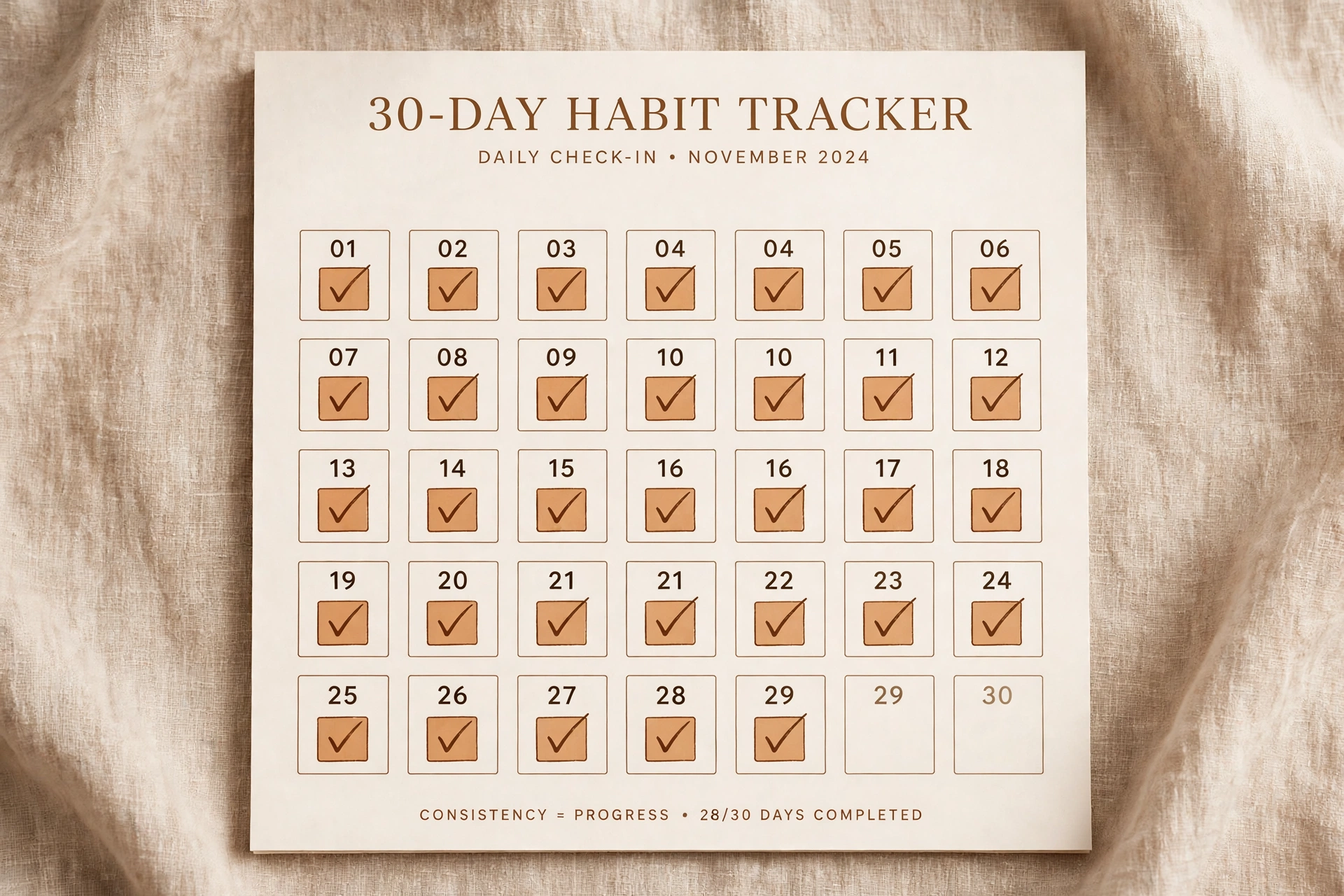
Three things decide most of Maps ranking anywhere: a claimed, verified and complete Google Business Profile with the right primary category; reviews — a steady flow of them, answered; and consistency — your business name, address and phone number identical everywhere they appear. None of the three is a one-off job, either: profiles decay, details change, and reviews only compound if the ask keeps happening — which is why this starter guide ends in a monthly routine rather than a launch. The full general method for profile strength is in the guide to ranking higher on Google Maps — it is written for the UK, but the profile mechanics carry over unchanged; read it for the foundations and this article for what to adjust in Australia. Businesses organising the starter routine often keep the checklist and profile work in one simple tracker so the first month actually gets finished.

The Australian layer: directories and review sites
Aussie customers rarely check only Google. Before calling a tradie or booking a service, many will glance at one or two of the platforms Australians actually use — and Google itself notices whether your details agree across the web. The Australian set that matters most for a starter:
- ProductReview.com.au — the country’s big independent review platform; customers check it for tradies, services and retailers alike.
- True Local and Yellow Pages (Australia) — the long-running local directories; listings here are part of the consistency picture.
- Hipages — for trades, a major lead and review platform customers genuinely browse.
- Australian Business Register / ABN Lookup details — not a marketing channel, but your registered business name and address should agree with what you show customers; mismatches create confusion Google can inherit.
The discipline is the same one described in local citations: where to list your business: claim the handful of listings your customers really use, make the name, address and phone character-for-character identical to your profile, and skip the hundred directory sites nobody in Australia has ever opened.
Review habits down under
Australians read reviews with a particular scepticism: a wall of five-star praise with no detail reads as fake faster here than almost anywhere. What persuades is specifics — the suburb named, the job described, the problem solved. That means the honest basics matter even more: ask every customer, simply and without any incentive (offering anything in exchange breaches Google’s policy), make it easy with a review link or QR code on the invoice or the counter, and reply to reviews like a person — briefly, in your own voice. How many you need depends on your local competition, and the reasoning in how many Google reviews you need to stand out applies directly: look at the top three in your suburb and treat their count as the neighbourhood benchmark, not a national number. Reply speed matters as well: a same-week reply to a critical review — calm, specific, no excuses — is read by every later customer as evidence of how the business behaves when something goes wrong, which in Australia is often the moment the next booking is decided.
One more Australian reality: distance. “Near me” in a capital-city suburb behaves like anywhere — a tight radius. In regional towns, customers willingly travel, and your service areas can honestly be set wider. Match the profile to how far your customers truly come; claiming the whole state reads as noise.
A worked example: a Brisbane plumber’s first 30 days
Here is the starter sequence as one copyable checklist, following a fictional Brisbane plumbing business from zero. The numbers are illustrative — the sequence is the point.
Week 1 — claim and build.
- Claim or create the Google Business Profile under the exact trading name; verify it (video verification is common in Australia).
- Primary category “Plumber”; services listed individually — blocked drains, hot water systems, emergency call-outs; service areas set to the suburbs actually covered across Brisbane.
- Hours set honestly, including whether emergency calls are taken after hours. Photos of the ute, the team and real jobs uploaded.
Week 2 — get consistent.
- Claim the True Local and Yellow Pages listings; start a ProductReview presence if the business is consumer-facing; align every name, address and phone to match the profile exactly.
- Put the same details on the website’s contact page and footer.
Week 3 — start the review engine.
- Review link created; QR code printed for invoices and the ute dashboard. Every completed job gets one polite ask — no discounts, no gifts, no asking only the happy ones.
- First reviews answered within a day, each reply naming the job or suburb where natural.
Week 4 — check and settle into routine.
- Search “plumber near me” and the main suburb-plus-service searches from a phone; note where the profile appears and which competitors sit above it, and why.
- Set the monthly routine: fresh photos, a Google post, review replies, details checked. Steady beats heroic — the profile that is tended monthly outranks the one that was perfect once. Tradies running this for themselves, and agencies running it for several clients, keep the suburb checks and monthly tasks in one business workspace so week 4 does not quietly become never.
Ten reviews in the first month is a realistic illustrative outcome of that sequence for an established tradie with happy customers — the point is that they arrive because a system exists, not because of a launch-week push that then stops.
Questions owners ask next
Which Australian directories should I actually list on?
The handful your customers really use — not the hundred directory sites nobody in Australia has ever opened. For most businesses that means True Local and Yellow Pages for local listings, a ProductReview.com.au presence if you are consumer-facing, and Hipages if you are in the trades. Claim each one and make the name, address and phone character-for-character identical to your profile. Your registered details on ABN Lookup should agree too; mismatches create confusion Google can inherit.
How many reviews do I need in my suburb?
There is no national number – look at the top three profiles in your suburb and treat their count as the neighbourhood benchmark. What persuades Australian readers is specifics anyway: the suburb named, the job described, the problem solved. A wall of five-star praise with no detail reads as fake faster here than almost anywhere, which is why the honest ask – every customer, no incentive, a link or QR code making it easy – matters more than any target.
How wide should I set my service areas?
As wide as your customers truly come from, and no wider. In a capital-city suburb, “near me” behaves like anywhere – a tight radius. In regional towns, customers willingly travel, and your service areas can honestly be set wider. Claiming the whole state when you do not serve it reads as noise, to Google and to customers alike.
My details differ slightly between Google, my website and directories. Does it really matter?
Yes – it is the most common quiet problem for established Australian businesses. Google notices whether your details agree across the web, and customers cross-check the same listings before calling. Fix it in the week-2 order: claim the key listings, align every name, address and phone to match the profile exactly, and put the same details on your website’s contact page and footer.
What to do next
If your business has no profile, start week 1 today: claim it, verify it, and complete every field before you touch anything else. If a profile already exists, run the week-2 consistency check first — mismatched details across Google, True Local and your website are the most common quiet problem for established Aussie businesses. Then set the review ask into your invoices so it runs itself. And if you want the profile work, review routine and monthly checks organised in one place, you can see the setup on my Local Alchemist AI page.
Disclosure: the page linked above contains an affiliate link. If you buy through it, I may earn a commission at no extra cost to you.